How to Write Better AI Prompts: 5 Simple Rules
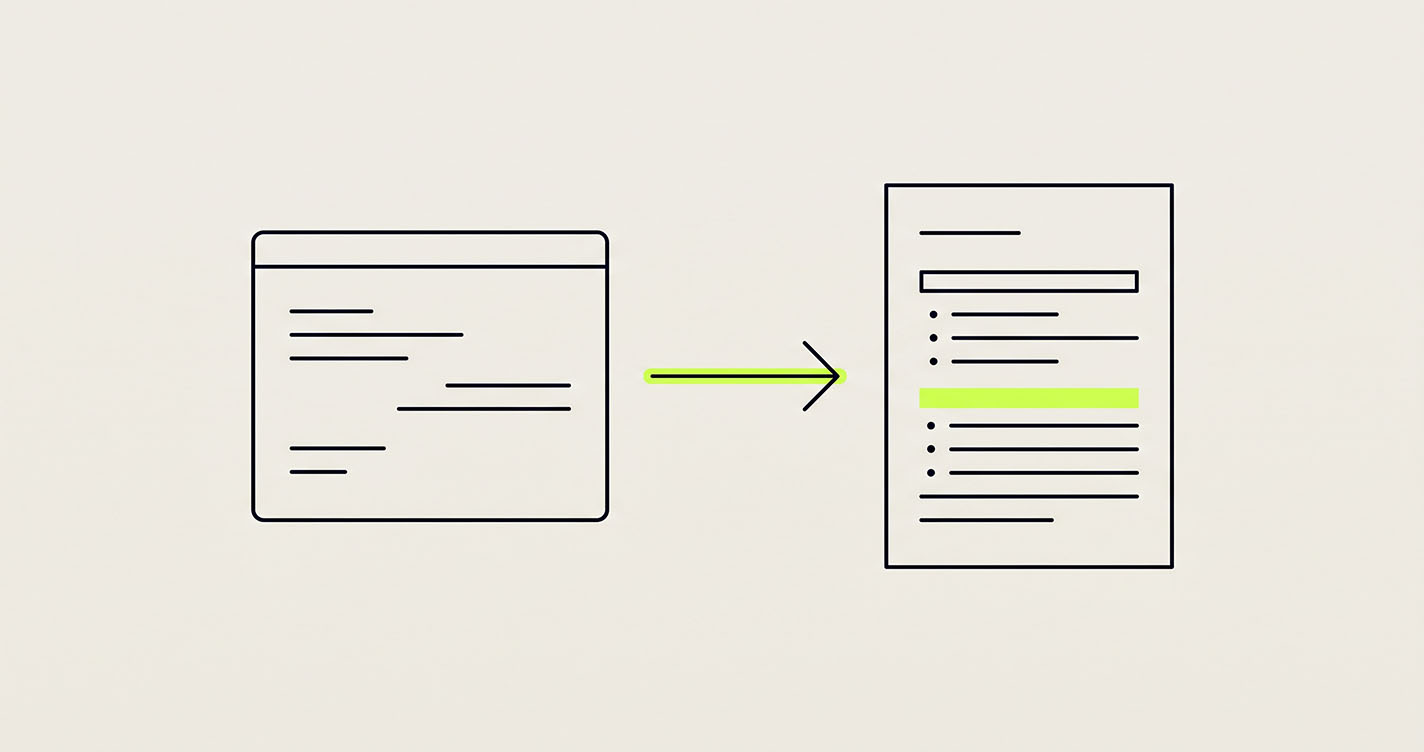
What makes a good AI prompt?
A good AI prompt tells the tool who the answer is for, what you need, what context it should know, and what the result should look like. Most disappointing AI answers aren't the tool's fault. They come from prompts that leave the AI guessing.
The good news: you don't need to learn "prompt engineering." Five simple habits will get you better answers from ChatGPT, Claude or Gemini starting today.
The 5 rules of better prompts
1. Say who it's for
An answer for a CEO and an answer for a new hire should look completely different. Tell the AI who will read it.
Before: Explain cloud storage.
After: Explain cloud storage to a small shop owner who isn't technical, in under 150 words.
2. Give the context
The AI knows nothing about your situation unless you tell it. Two sentences of background change everything.
Before: Write a reply to this complaint.
After: Write a reply to this customer complaint. Their order arrived three days late because of a courier delay. We want to apologise and offer free shipping on their next order.
3. State the goal, not just the task
"Write an email" is a task. "Get a meeting booked" is a goal. When the AI knows what success looks like, it writes toward it.
After: Write a short follow-up email whose only goal is to get the client to book a 15-minute call this week.
4. Specify the format
Ask for exactly the shape you want: bullet points, a numbered plan, a one-paragraph summary, a word limit, a tone.
After: Summarise this report in 5 bullet points, plain English, one line each.
5. Refine — don't restart
The first answer is a draft. Push back in the same chat: "shorter," "less formal," "make point 3 more specific," "give me two other options." The AI keeps the context, so each round gets closer.
A prompt template you can copy
Put the five rules together and you get a template that works for almost any task:
You are helping [who it's for].
Context: [2–3 sentences about the situation].
Goal: [what a good result achieves].
Format: [bullets / email / plan, length, tone].
Here it is filled in:
You are helping the owner of a small bakery. Context: we're launching a weekend delivery service next month and want local customers to know about it. Goal: get people to place their first delivery order. Format: three short Instagram captions, friendly tone, under 40 words each.
Save the template somewhere handy. After a week of using it, you won't need it — the habit will stick.
The bottom line
Better prompts aren't about clever tricks. They're about giving the AI what any capable assistant would need: who it's for, the context, the goal and the format — then refining the draft together.
New to AI? Start with our plain-English guide, What Is AI?
Want AI working inside your business, not just in a chat window? Talk to Suswo about automating the repetitive work your team does every week.
Written by